The fuel-injected, post-apocalyptic masterpiece Mad Max: Fury Road, exploded into theaters recently with an opening weekend of over $100 million dollars. This movie is true to its name - it is MAD; in a stunningly inventive and adrenaline pumping way.
The reboot is also unique in that it was helmed by an original creator of the franchise. The Wizard of Oz, George Miller genuinely understands what it takes to make a Mad Max movie. A key element was iloura, the main VFX studio. CGSociety looked under the hood of this monster of movie with their VFX Supervisor, Tom Wood.
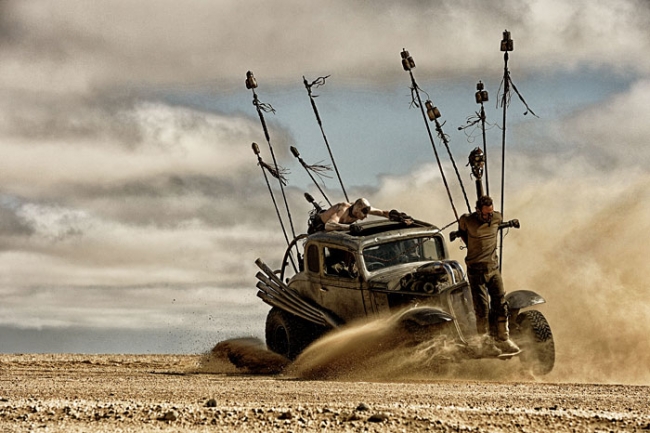
I had enjoyed the Mad Max movies in my youth but never expected to be involved in the franchise. The Mad Max movies have a very significant place in the Australian public’s film psyche; this movie has been anticipated so intensely here in Australia, there is a huge responsibility felt by everyone on the crew. So it was a great pleasure and privilege to work on this one as an Englishman.
I had finished Mirror Mirror in the US and needed to spend time with my family. My wife is Australian, so a job suggestion from Dan Glass at Method fitted extremely well. I have been a collector of eminent directors and George Miller was right at the top of my list. So perfect fit!
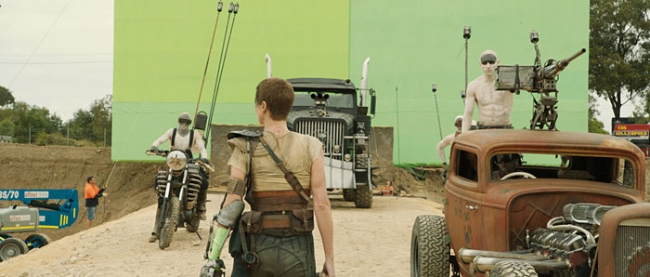
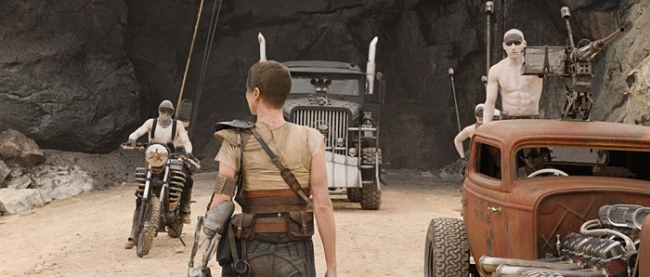
Iloura was the main VFX vendor on Mad Max: Fury Road. George wanted to shoot as much of the movie in-camera as possible, so it was Iloura’s role to complement his vision and stay true to the Mad Max ethos. This meant creating realistic effects and enhancements that supported George’s action directing and the stunt work, as well as building environments to support the story such as the Citadel and the canyon. Apart from the obvious sequence of the Toxic Storm which is fantastical, Iloura’s role was to support the film and the story with seamless visual effects throughout the film to ensure that the audience feels right in the middle of the action.
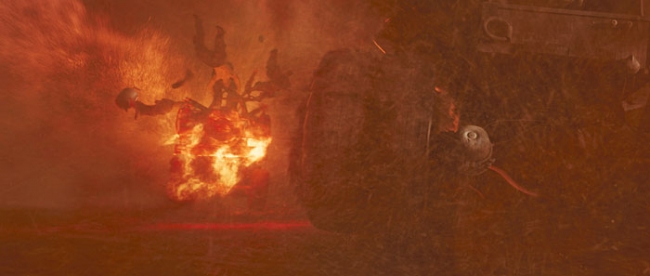
We peaked at around 150 artists and support. For the most part through the 30 months of post we ran lean with around 60.
George Miller worked the edit progressively and chronologically so we adapted our processes to suit his approach. We would work up a sequence at a time with minimal overlap. This kept us creatively focused but it was a challenge not to blow the budget, so management played a very significant role.
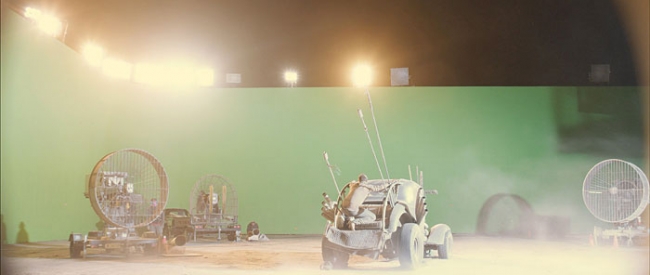
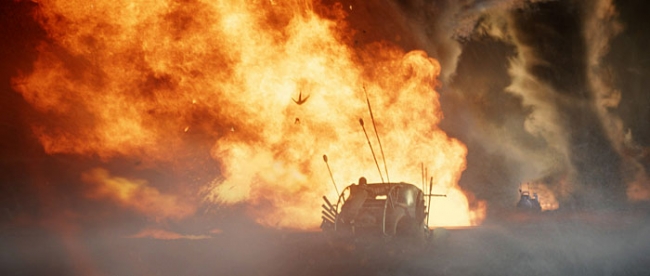
We worked on 1979 shots with 1695 appearing in the final cut.
Days in post, I did not attend the shoot, consisted of dailies sessions, critiquing current shots, followed by re-reviewing the numerous video notes sessions from George to ensure direction accuracy. I’d then have free time to catch up with specific artists to give more notes. Once a week we would finish off with a trip to George’s office and screening room for a 4-8 hr review session.
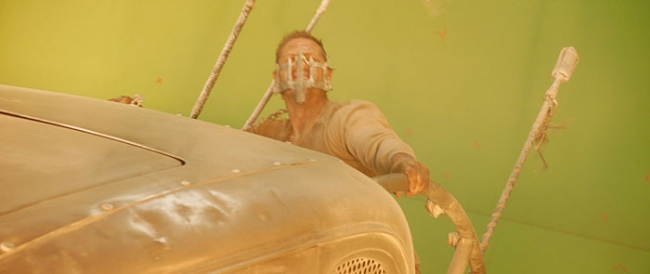
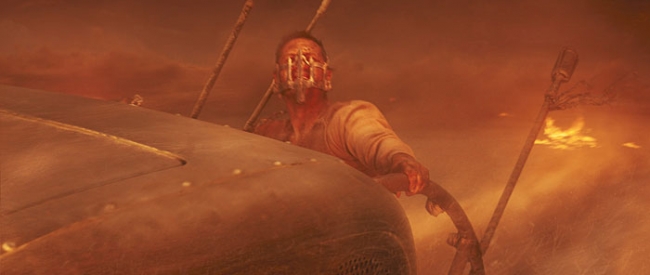
It really is a testament to the Stunts and SFX teams that pretty much what you see is what they shot.
There are always shots you wish had worked out better and for some on this show we were able to go back to improve. But you need to be able to let it go and experience will guide to that point. I was extremely impressed with the final movie, with sound and music, and this reinforced this view. Shots that were still bothersome flashed by or your eye and sentiment was guided by the narrative and performance making my paranoia remain that.
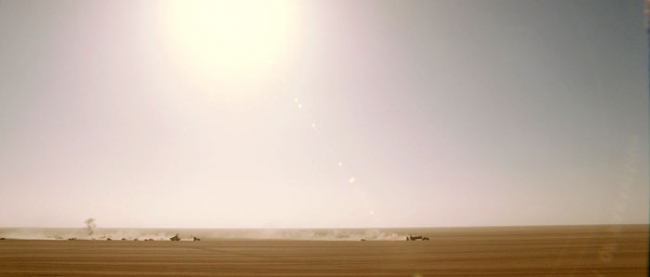
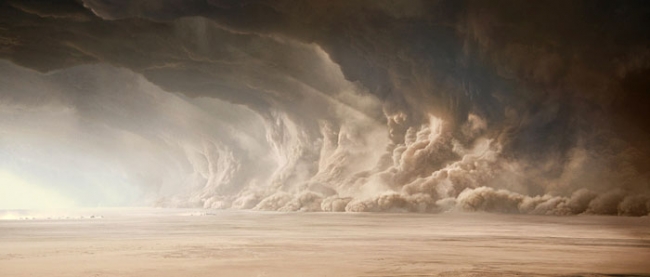
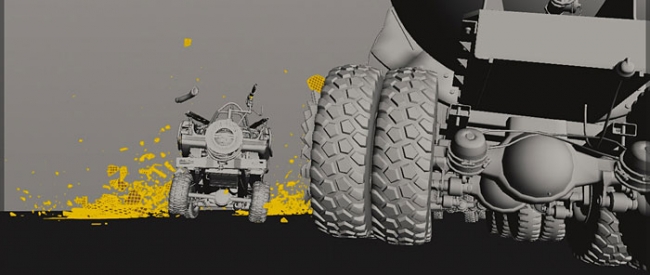
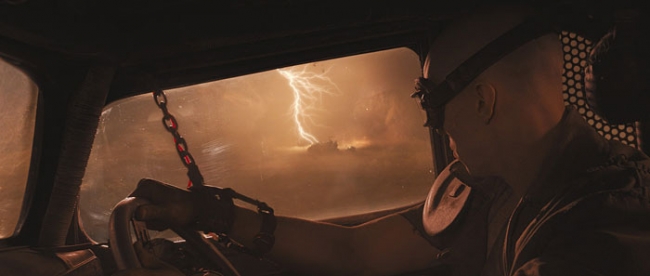
Very difficult to isolate one shot above the others. There are shots that were laboured over for months and some that slipped through easily. I guess I’m most proud of the Toxic Storm and Citadel sequences, for different reasons. The Toxic Storm, inside and out, was a very tough visual to achieve. We had amazing crew who pulled together, keeping final image the destination. Developing volumetric systems with 20+ levels of interactive dust simulations into a new pipeline while remaining agile enough for directorial or editorial changes.
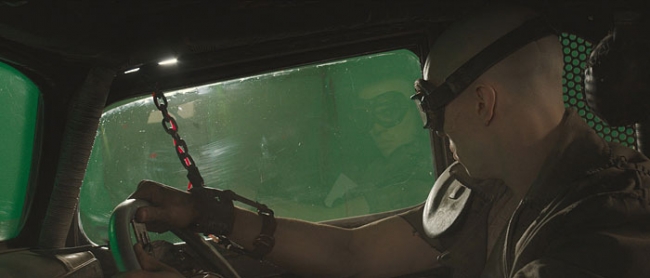
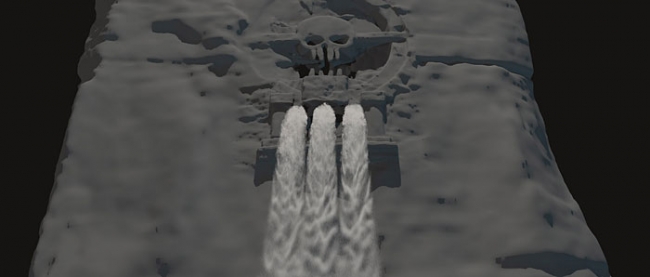
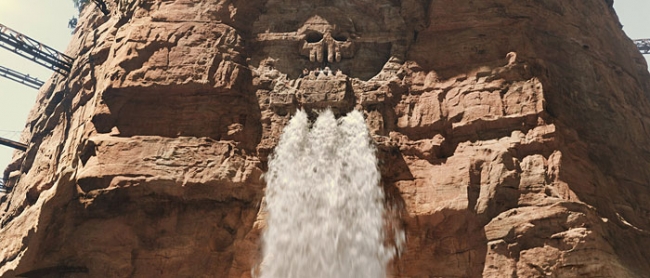
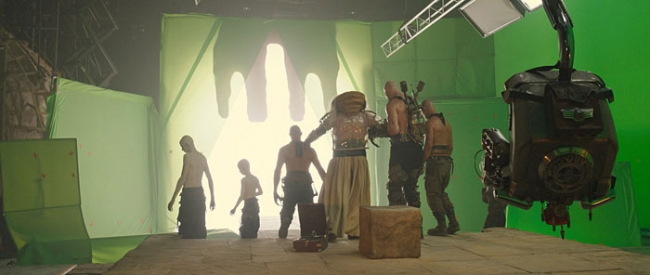
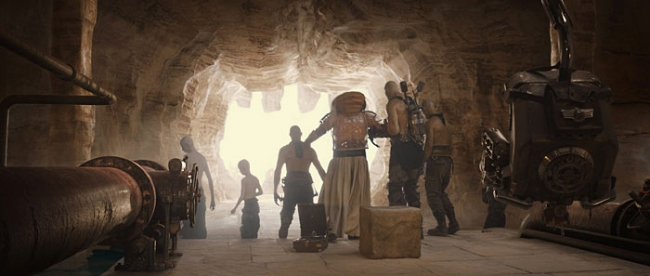
The Citadel was shot in an empty reservoir in Sydney’s west surrounded by trees. There were no caves or cliffs, everything was uniformly exposed to the sky. Yet there are shots in that sequence that will pass by the audience without question. Aim achieved.
I try not to think about that as a pressure. I see it as a fabulous opportunity and privilege.
Our pipeline was specifically built to be agile and accommodate changes rapidly. This was pretty much made to work with George Miller and adapted as we went. As the project was so elongated in time we were able to make the pipeline focus and diffuse easily.
That question immediately suggests some regret or envy. I’d be lying if I said I don’t feel either on occasion but they’re not positive emotions and not constructive. I feel very lucky to have worked on projects such as Sunshine, Kingdom of Heaven, Mirror Mirror. I feel I brought new looks and ideas to the screen and am proud to be associated with them.
Iloura is currently in production of Seth McFarlane’s Ted 2 for Universal/MRC which releases in June and Alex Proyas’s Gods of Egypt for Mystery Clock Cinema, due for release in 2016. Other than those, we have some other projects lined up but we’re unable to announce them yet unfortunately.
Make sure you know what stuff looks like. Keep looking, know what you’re seeing and why.